

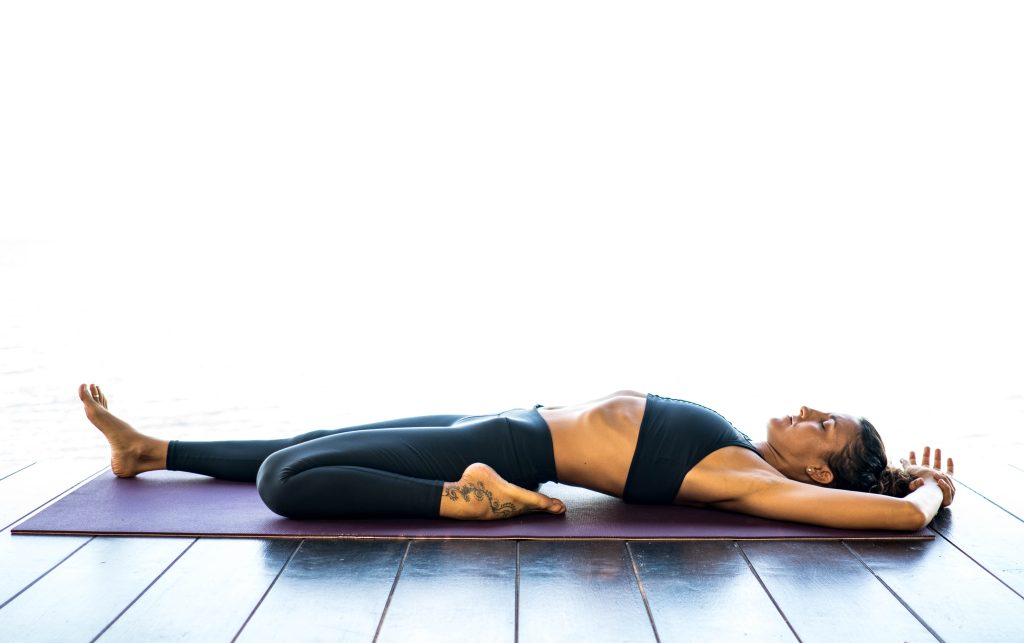
How Sleep Tracking and Recovery Apps Can Complement Yin Yoga Practice Many people use sleep trackers, recovery apps and wellness devices to understand stress and rest patterns. When combined thoughtfully with yin yoga, these tools can help students notice how slow practice affects sleep, recovery and emotional balance. The key is to use technology as a guide, not as a replacement for body awareness. Yin yoga is a quiet practice. Its effects may not show up as high calorie burn or intense activity data. Instead, students may notice better rest, calmer evenings, improved mobility or reduced tension. Sleep and recovery tools can make some of these patterns easier to observe over time.
Why Yin yoga pairs well with recovery tracking
Recovery apps often focus on sleep quality, heart rate trends, stress estimates or readiness scores. Yin yoga focuses on stillness, breath and long-held postures. Together, they can help students understand how lifestyle habits affect the nervous system. A student may notice that evening Yin practice supports better sleep on certain days. Another may see that stress scores feel different after consistent recovery-based practice. These insights can encourage better routines.
Sleep as a practical wellness marker
Sleep is one of the most important signs of recovery. Many adults struggle with rest because their minds remain active at night. Yin yoga can help create a transition from daily stimulation into quieter awareness. Sleep trackers may show whether sleep duration or quality changes over time. However, students should avoid judging every class by one night of data. Sleep is affected by many factors, including meals, caffeine, work stress, screen use and room environment.
Recovery apps and habit awareness
Recovery apps can help students notice patterns. If someone regularly feels depleted after intense workouts but steadier after Yin sessions, they may adjust their routine. If poor sleep follows late-night screen use, they may use Yin practice as part of a wind-down ritual. Technology can support better choices when students use it with curiosity rather than pressure.
Data points that may complement Yin yoga
Students may observe:
- Sleep duration
- Sleep quality trends
- Resting heart rate
- Stress or recovery scores
- Evening routine consistency
- Mood and energy notes
- Practice frequency
These signals can help students understand their recovery needs.
The limits of technology
Not everything important can be measured. Yin yoga may improve patience, body awareness, emotional steadiness and the ability to sit with discomfort. These benefits may not appear neatly in an app. Students should therefore combine data with personal reflection. How does the body feel? Is breathing easier? Is there less tension in the hips or back? Does the mind settle faster after practice? These questions matter.
Avoiding data-related stress
Wellness tracking can become counterproductive if students become obsessed with numbers. A poor sleep score may create anxiety. A readiness score may discourage movement even when gentle practice would help. Yin yoga teaches a different relationship with the body. It encourages listening directly. Apps should support this listening, not override it.
Creating a technology-supported wind-down routine
A practical approach is to use technology to support a routine. For example, a student may schedule an evening Yin class, set a reminder to reduce screen time and track sleep patterns over a few weeks. This creates structure. The app helps with consistency, while the practice helps the body settle.
Studio communication and recovery education
Studios can also use digital tools to educate students about Yin practice. Class reminders may include tips such as arriving early, wearing comfortable layers and avoiding a rushed transition after class. A studio such as Yoga Edition can support recovery-focused students by combining guided Yin classes with clear communication around rest, breath and consistency.
Using data to choose class timing
Some students may discover that Yin works best for them in the evening. Others may prefer weekend recovery sessions. Tracking energy and sleep can help students choose the most useful class timing. This makes the practice more personalised. Students learn when their body responds best.
Technology and stillness can work together
Sleep tracking and recovery apps can complement Yin yoga when they help students notice patterns without creating pressure. The practice teaches internal awareness, while technology can provide external clues. Used together, they can support a more thoughtful recovery routine. The goal is not perfect scores. The goal is better rest, calmer evenings and a deeper understanding of what the body needs.